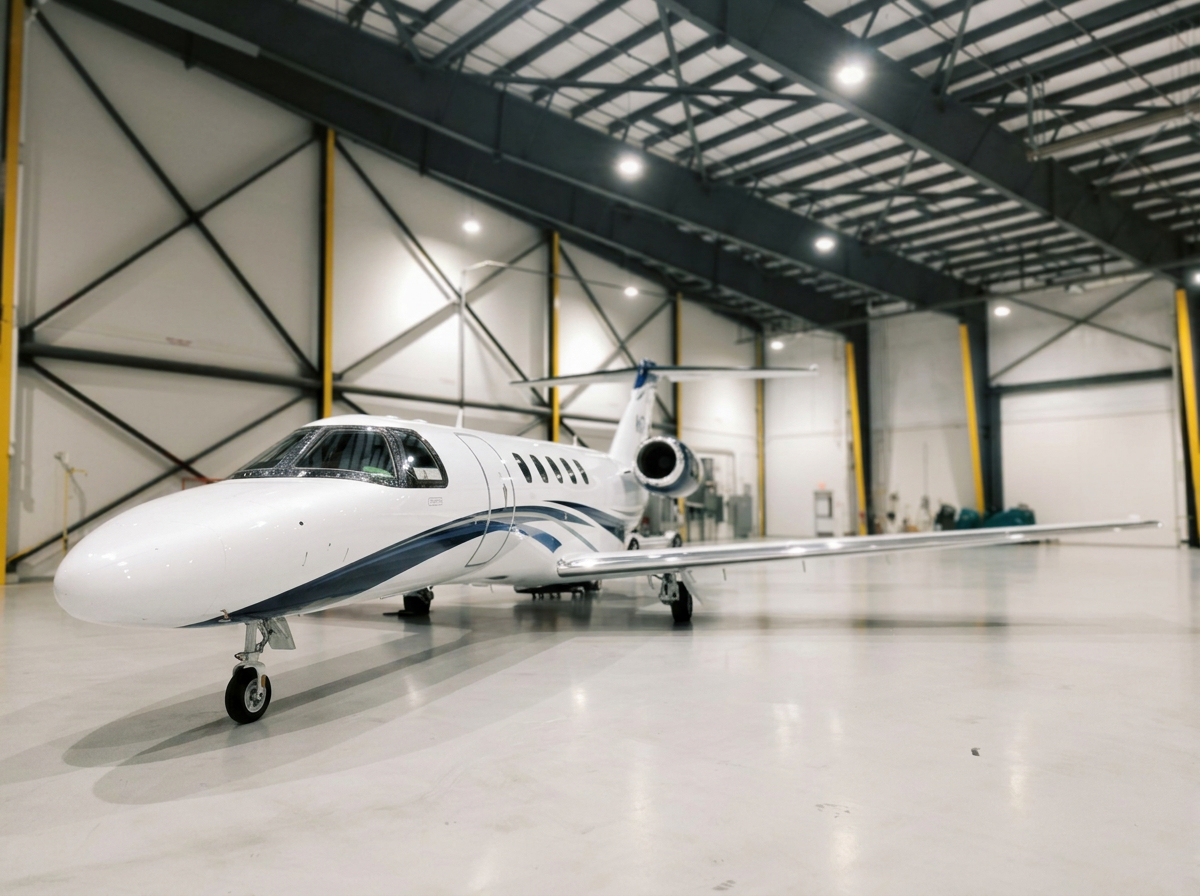
Aircraft Detailing isn’t just maintenance.
Aircraft detailing is about more than keeping an airplane clean. It is about protecting the aircraft’s appearance, preserving its interior, and presenting it with the level of care expected by owners, operators, and passengers. Every aircraft is exposed to demanding conditions. Bugs, exhaust residue, dust, rain, sun, ramp debris, and frequent passenger use can gradually affect the paint, windows, cabin surfaces, and upholstery. Regular detailing helps remove this buildup before it becomes more difficult to correct.
Here is what you can do to protect your aircraft.
Prevenentive Measures
Aircraft detailing is more than another routine service it is a form of preventative care that helps protect the aircraft’s appearance, interior, and overall presentation over time. Regular detailing removes contaminants before they can become more difficult to correct, helps preserve paint and interior materials, improves passenger comfort, and keeps the aircraft looking professional. By addressing buildup, wear, and environmental exposure early, aircraft owners and operators can help maintain the condition and value of their aircraft while avoiding more extensive restoration work in the future.
Aircraft detailing is also valuable after maintenance, inspections, upgrades, and other shop work. Technicians may leave behind dust, fingerprints, grease, residue, or other debris throughout the cabin, cockpit, and exterior. Also as aircraft detailers we are on every surface to inspect, clean, and preserve the material. So we spot things some techs may leave behind unchecked. We have seen a lot such as a loose hose was sticking out or a large of leakage of certain fluids around. So in-turn we also ensure a safe aircraft after maintenance. A professional post-maintenance cleanup helps return the aircraft to a clean, comfortable, and presentable condition before it goes back into service. By having us address buildup, wear, environmental exposure, and post-maintenance residue early, aircraft owners and operators can help maintain the condition and value of their aircraft while reducing the need for more extensive restoration project in the future.
Protecting the Exterior Finish
An aircraft’s exterior is constantly exposed to sunlight, weather, dirt, fuel residue, oil, and airborne contaminants. Over time, these elements can dull the paint, stain the surface, and contribute to oxidation.
Professional exterior detailing helps remove contamination while using products and techniques suited to aircraft surfaces. Washing, contaminant removal, polishing, and protective treatments can help maintain a smooth, presentable finish and make future detailing more efficient.
Preserving the Interior
The aircraft cabin receives frequent use from passengers and crew. Leather seats, carpets, upholstery, trim, tables, sidewalls, and cockpit surfaces can quickly show signs of wear without regular care.
Interior detailing helps remove dust, crumbs, spills, fingerprints, and buildup from high-touch areas. Proper cleaning and conditioning can also help maintain the appearance and feel of leather, vinyl, plastics, wood trim, and other interior materials.
Improving Passenger Comfort
A clean cabin contributes directly to the passenger experience. Clear windows, fresh carpets, clean seating, and carefully maintained surfaces make the aircraft feel more comfortable and inviting.
For charter operators and corporate flight departments, cabin presentation is an important part of the overall service experience. Passengers may not notice every individual detailing task, but they notice when an aircraft feels clean, cared for, and ready for flight.
Supporting Professional Presentation
An aircraft is often a reflection of its owner, operator, or company. A clean and well-presented aircraft communicates professionalism before the flight even begins.
This is especially important for charter operators, flight schools, aircraft management companies, and businesses that use aircraft for client or executive travel. Exterior appearance and cabin condition can influence how passengers, customers, and business partners view the operation.
Preparing for Photos, Showings, and Sales
Professional detailing can be especially valuable when an aircraft is being photographed, displayed, inspected, or prepared for sale. A clean aircraft allows its condition and features to be presented more clearly.
Detailing cannot replace maintenance or repairs, but it can help an aircraft make a stronger first impression. Clean surfaces, polished paint, clear windows, and a refreshed interior can help the aircraft look its best for listing photos and prospective buyers.
Regular Care Can Reduce Difficult Cleanup
Routine detailing helps prevent contaminants from becoming deeply embedded in paint, upholstery, carpets, and other surfaces. Removing buildup regularly is generally more manageable than waiting until the aircraft requires extensive restoration work.
A consistent detailing schedule can also make each service more efficient. Instead of addressing months or years of accumulated dirt, technicians can focus on maintaining the aircraft’s existing condition.
Every Aircraft Requires a Customized Approach
No two aircraft are exactly alike. A piston single, turboprop, helicopter, business jet, and VIP airliner all have different materials, layouts, finishes, and access requirements.
Aircraft detailing should be tailored to the specific aircraft and its condition. Cockpit controls, windows, seals, antennas, composite surfaces, leather, wood veneer, fabric, and painted areas may all require different products and techniques. The aircraft’s operating environment and storage conditions should also be considered when creating a service plan.
Detailing and Maintenance Serve Different Purposes
Aircraft detailing is not a substitute for inspections, repairs, or scheduled maintenance. Instead, it complements the aircraft’s maintenance program by focusing on cleanliness, preservation, presentation, and passenger comfort.
A detailed aircraft is easier to inspect visually, more pleasant to operate, and better prepared for daily use. Keeping the aircraft clean also helps owners and operators identify changes in the condition of surfaces that may need further evaluation by qualified maintenance personnel.
More Than Just a Clean Aircraft
From piston aircraft and turboprops to business jets and helicopters, every aircraft deserves a detailing program suited to its materials, design, and mission.
Aircraft detailing isn’t just maintenance. It is an investment in presentation, comfort, preservation, and pride of ownership. A professional detail helps ensure that the aircraft is not only ready to fly, but also ready to represent its owner, operator, or company at its best.